What makes a good chilli con carne
Start with the meat. Beef mince with around 10–15% fat is the everyday choice in the UK: it browns well, carries the spices and does not dry out during simmering. Leaner mince works but needs a gentler heat, while chicken thigh pieces give a lighter pot with more texture. Turkey mince is a sensible swap too, as long as you keep the bubbling gentle.
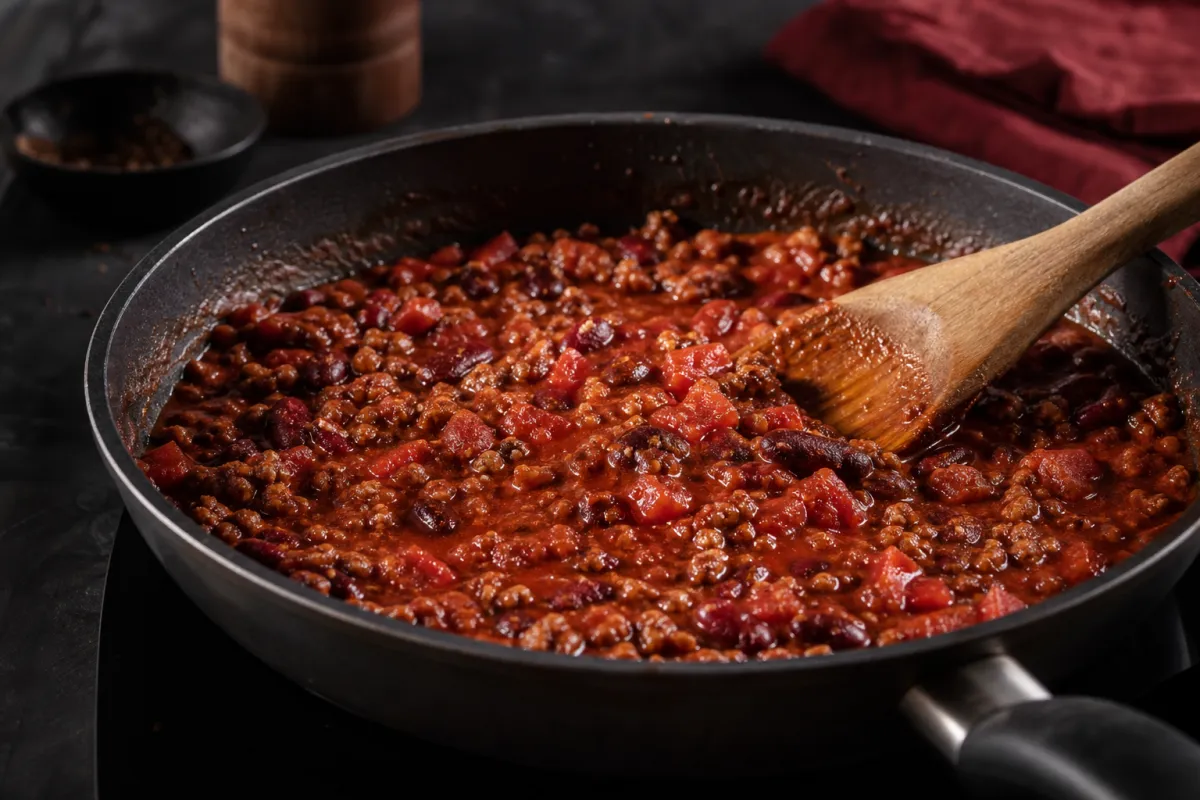
Browning comes first. Beef mince or chicken pieces need a hot, wide pan and a little patience so they take on colour rather than stewing in their own juices. The brown layer left in the pan is where much of the flavour comes from, and the tomatoes and stock lift it into the sauce.
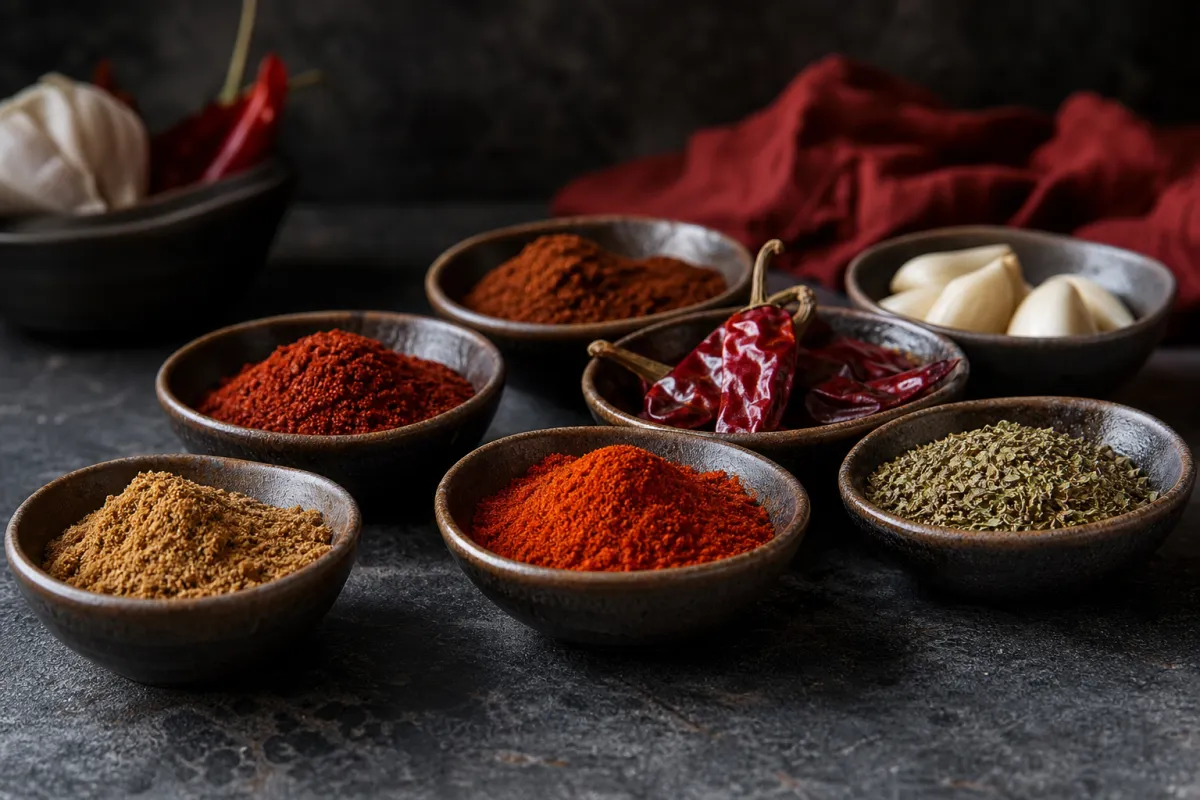
The spices need a minute in the hot pan before any liquid goes in. Ground cumin, smoked paprika, chilli powder and dried oregano are the usual base, and cooking them briefly with garlic and tomato purée turns them from raw and dusty into something rounded. Chilli powder varies enormously between jars, so start cautiously and add more at the end.
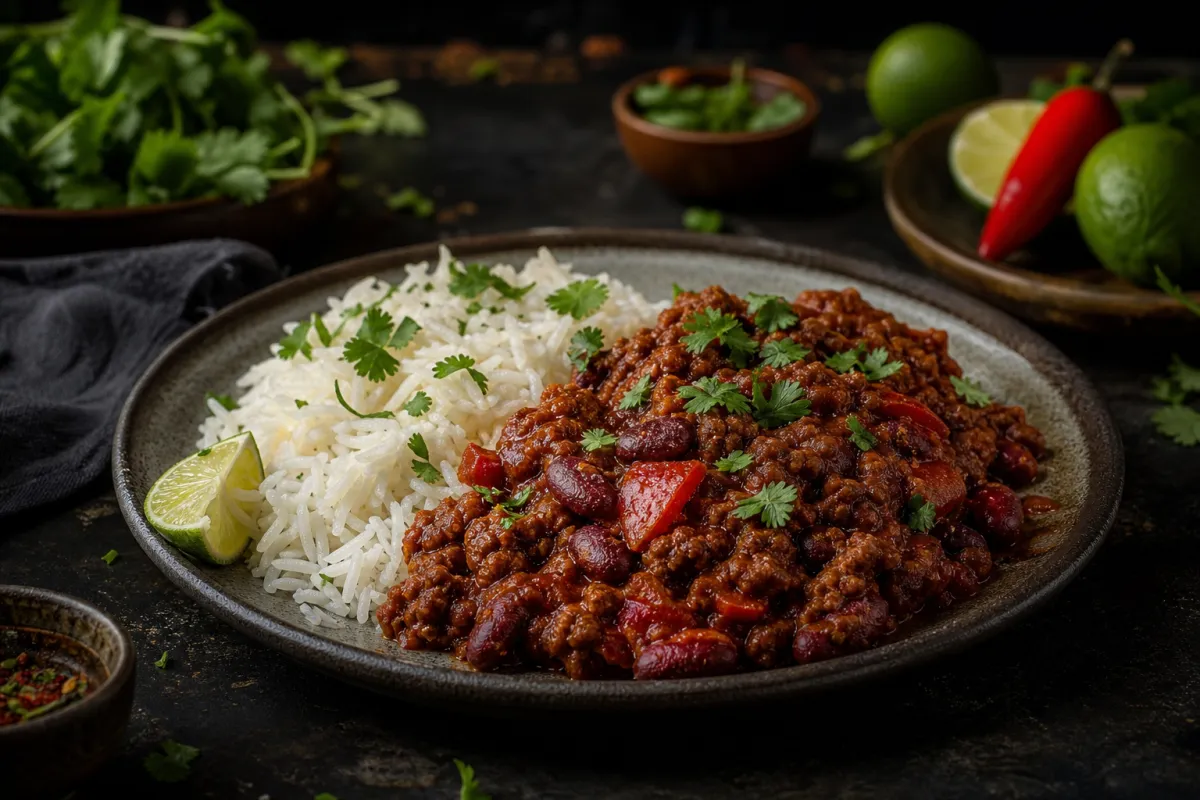
Finally, reduce the sauce. A good chilli is thick enough to sit on rice without leaving a watery pool, which means simmering it uncovered and stirring more often as it thickens. Taste it once it has reduced, because salt and heat both concentrate as the liquid cooks away. A squeeze of lime often does more for a flat-tasting pot than extra spice.
Choosing the right recipe
If you are new to chilli, start with the classic beef and kidney bean recipe. It is a straightforward hob method that serves four and takes a little over an hour, and every other version builds on it. When time is short, the quick chilli is on the table in about 35 minutes without losing the essentials.
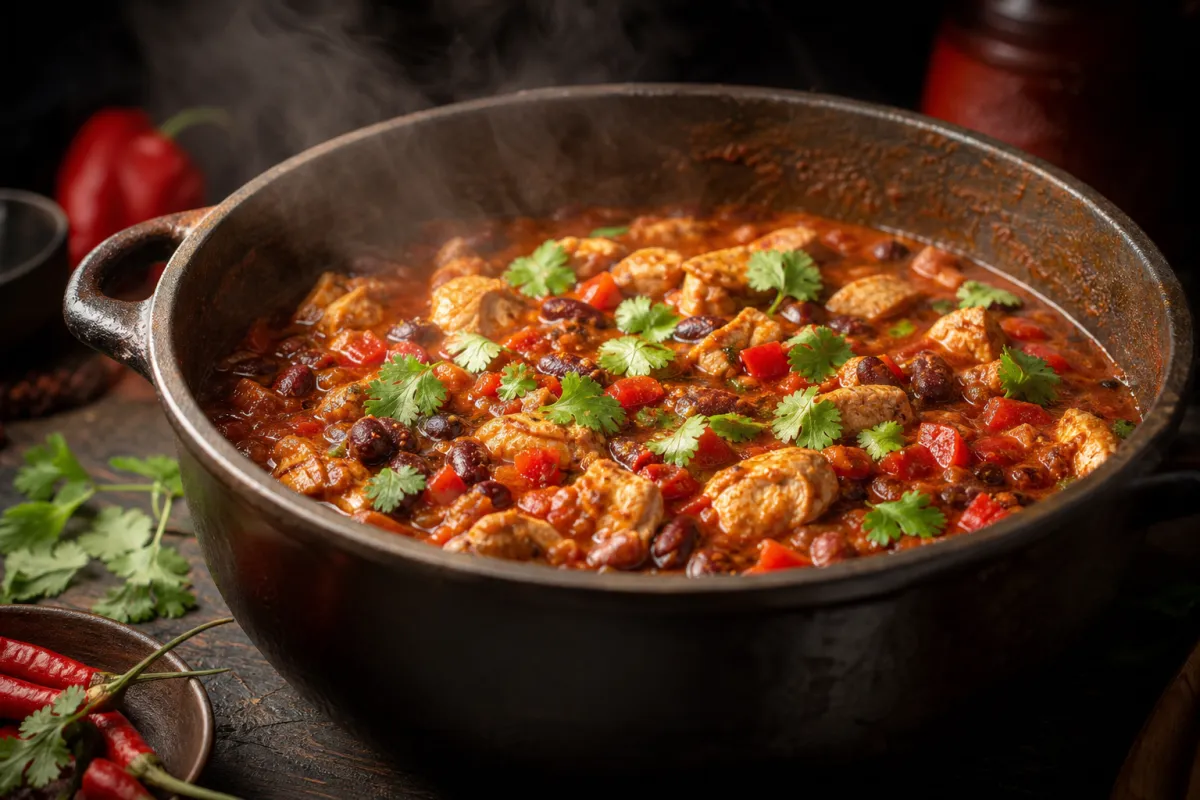
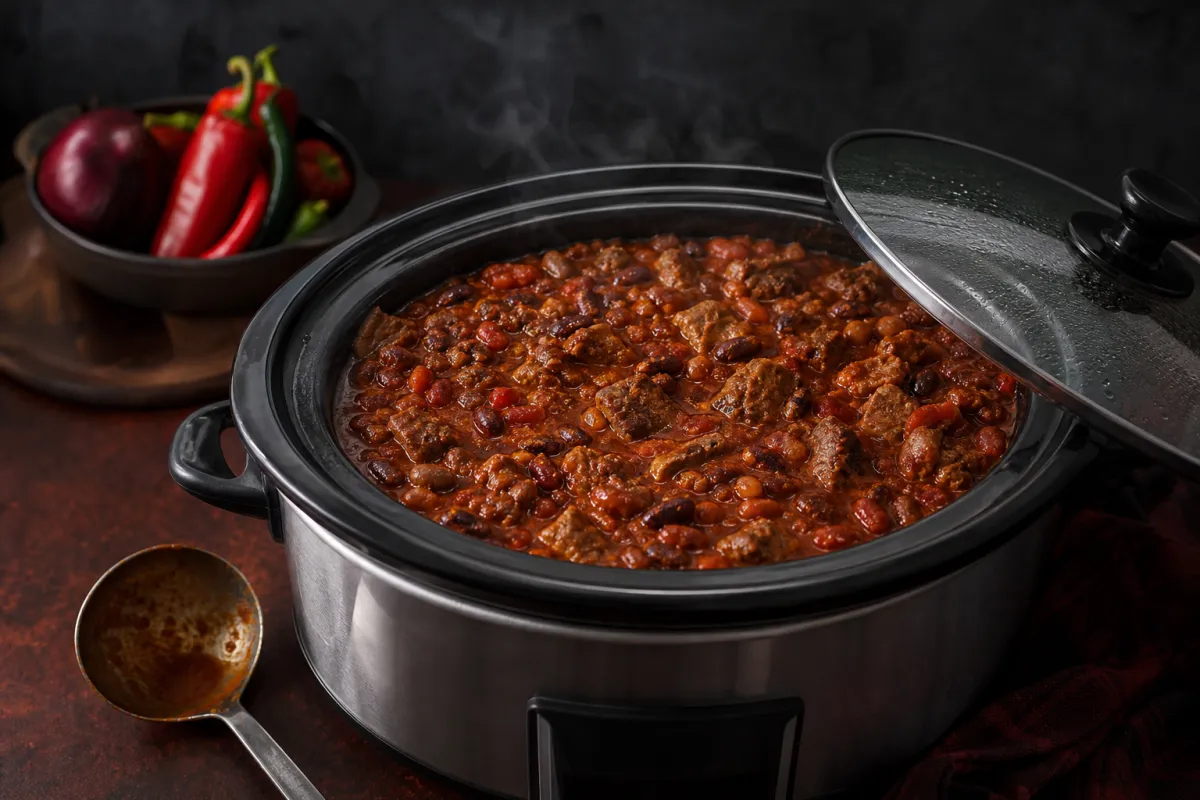
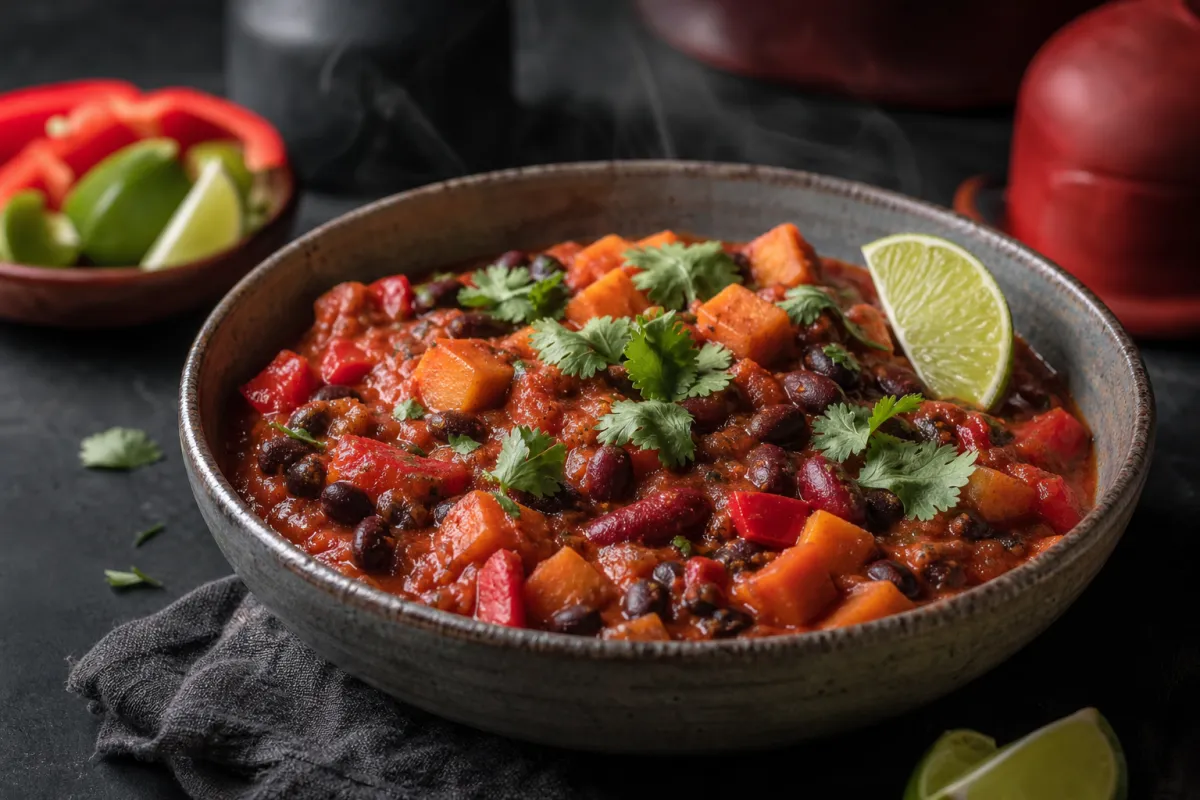
For a hands-off pot, the slow cooker version lets you brown the meat in the morning and come home to a finished dinner. The chicken chilli uses thigh pieces rather than mince and cooks faster than beef. If you are watching what you eat, the healthier chilli keeps the generous feel with leaner mince and more vegetables, and the vegan chilli sin carne replaces the meat altogether with two kinds of beans and plenty of vegetables.
Alongside the recipes, there is a seasoning guide with a homemade spice mix, advice on what to serve with chilli, including rice and jacket potatoes, a practical guide to freezing and reheating, a calorie guide for UK portions and an honest look at where the dish actually comes from.
Basic proportions and timings
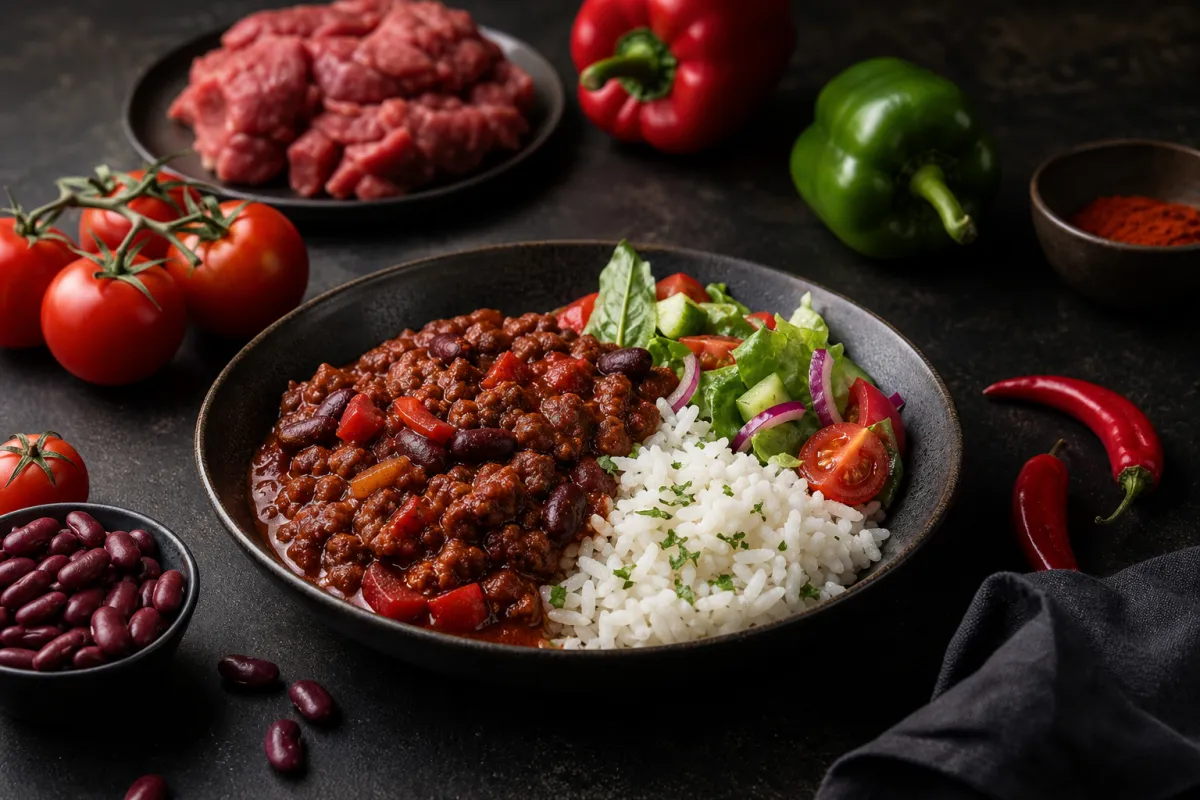
For four people, a reliable starting point is 500 g of beef mince, one large onion, one pepper, a 400 g tin of chopped tomatoes, a tin of kidney beans and about 200 ml of stock. That gives four generous portions served with rice or potatoes. Allow roughly 125–150 g of raw meat per person if you are scaling up for a crowd.
On the hob, a mince chilli needs about 25–55 minutes once everything is prepared, depending on how long you let it reduce: ten minutes or so to soften the vegetables and brown the meat, then a gentle uncovered simmer while the sauce reduces. Chicken pieces need less time in the sauce; a slow cooker needs several hours but almost no attention. Longer cooking does not automatically mean better chilli, though it does need enough time to thicken.
Tinned kidney beans are already cooked and only need heating through, so add them for the last 10 minutes or so to keep them whole. If you use dried kidney beans, soak them and boil them hard for at least 10 minutes before simmering until tender: raw or undercooked kidney beans are toxic. In a slow cooker, always use tinned or fully pre-boiled beans.
Serving, storing and reheating
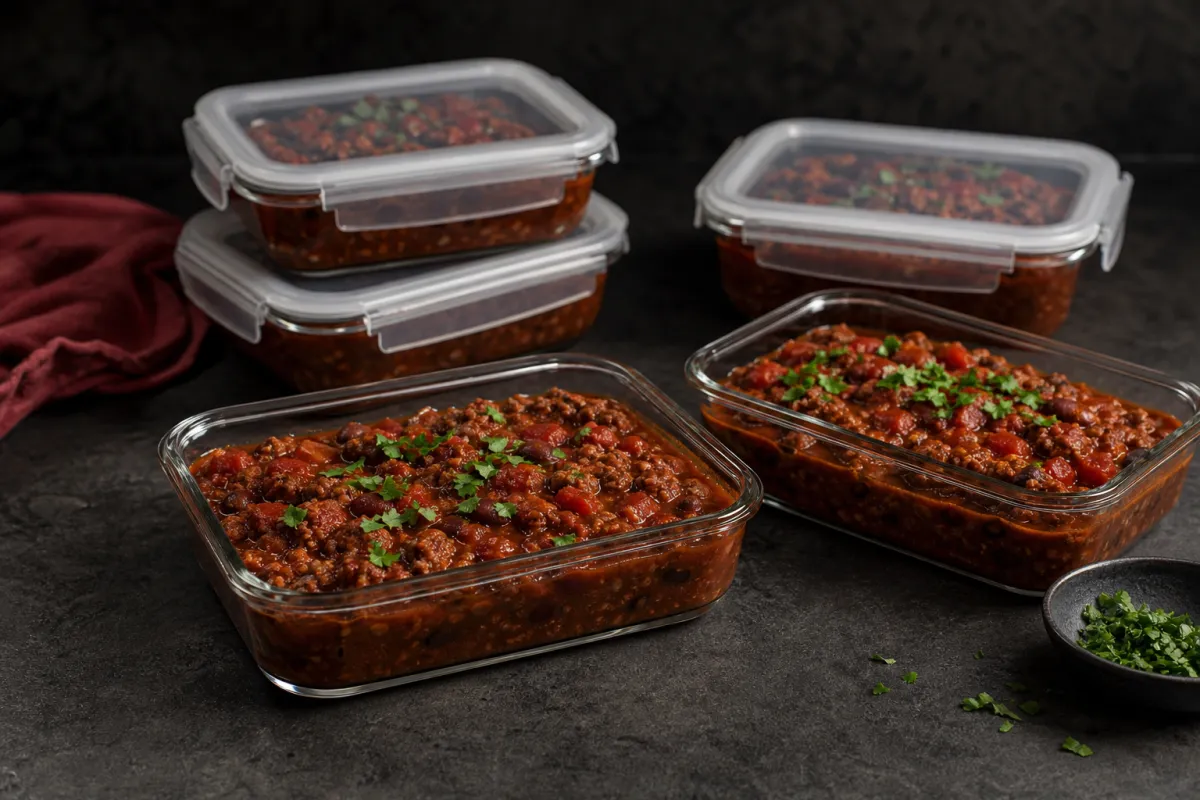
Chilli is a natural make-ahead dish and often tastes better the next day. Cool leftovers quickly in shallow containers, refrigerate within one to two hours and eat within two days. It also freezes well for about three months at −18 °C; defrost in the fridge and reheat once only, stirring until it is steaming hot throughout.
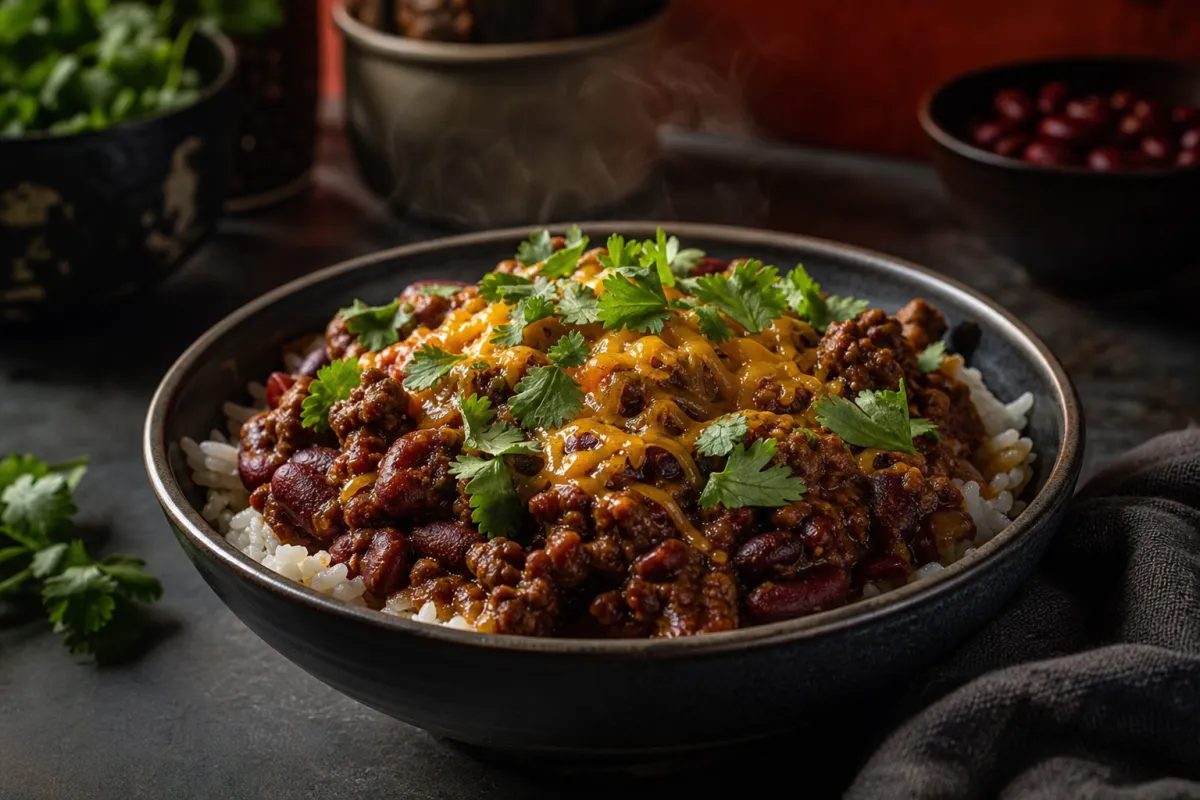
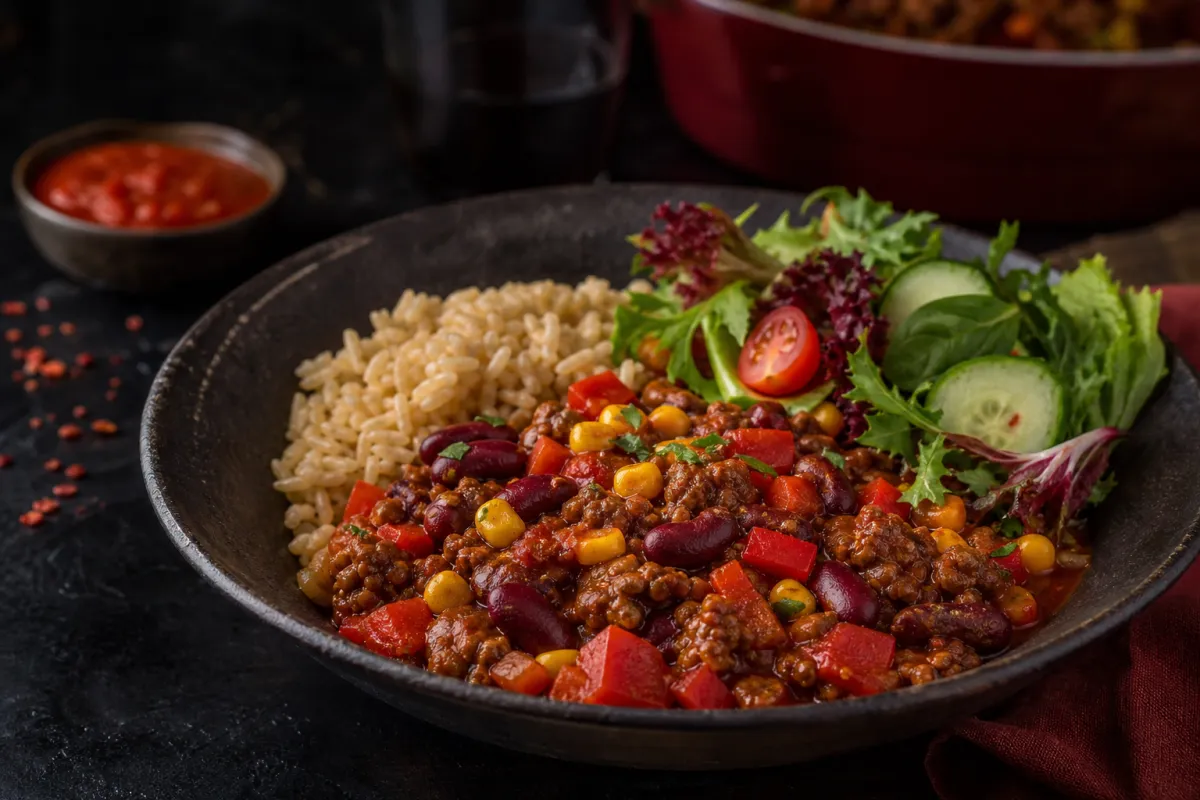
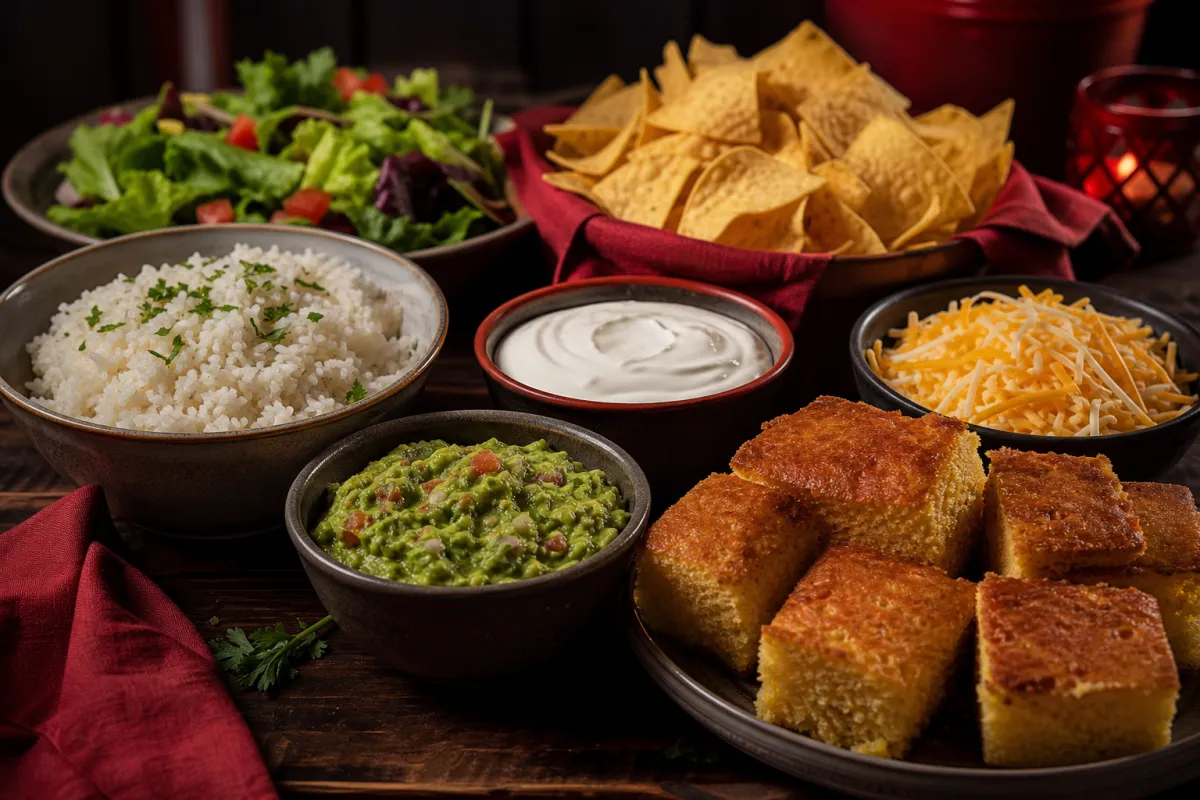
Serve it with rice, jacket potatoes, tortillas or tortilla chips, with one or two toppings such as grated Cheddar, soured cream or lime. A crisp slaw or green salad on the side cuts through the richness, and leftover chilli makes a quick lunch spooned over a baked potato or tucked into a wrap.
Heat is the one thing you cannot take back once it is in the pot. If you are cooking for children or guests whose taste you do not know, aim for a gentle warmth and put sliced fresh chilli, chilli flakes or hot sauce on the table. If a pot does turn out too fierce, stretching it with an extra tin of tomatoes and some more beans works better than adding sugar.
Questions about chili con carne
Is chili con carne a Mexican dish?
Not really. Its name is Spanish for chilli with meat, but the dish as it is known today comes from Texas and Tex-Mex cooking. The chili queens of San Antonio sold it on the streets in the late 19th and early 20th centuries, and a San Antonio chili stand appeared at the 1893 Chicago World's Fair, but no one knows exactly who first made it.
Is it chili or chilli?
Both are correct. In British English the pepper and the dish are usually spelt chilli, while American English uses chili. The full name of the dish is often written chili con carne, following the Spanish spelling, though chilli con carne is just as common in UK recipes.
How long should chilli con carne cook for?
A mince chilli on the hob is usually ready in 25–55 minutes once the ingredients are prepared, as long as the meat is properly browned and the sauce has reduced. Simmering for longer can deepen the flavour, but keep the heat low and add a splash of water if it starts to catch.
Can I make chilli con carne without beans?
Yes. Texan-style chilli is often made without beans at all. Leave them out and either add a little more meat or serve a more substantial side, such as rice or jacket potatoes. You may need to reduce the stock slightly, as there are no beans to soak up the sauce.
How long does chilli con carne keep in the fridge?
Up to two days in a covered container, provided it was cooled quickly and refrigerated within one to two hours of cooking. For longer storage, freeze it in portions for up to three months and reheat only once until piping hot throughout.